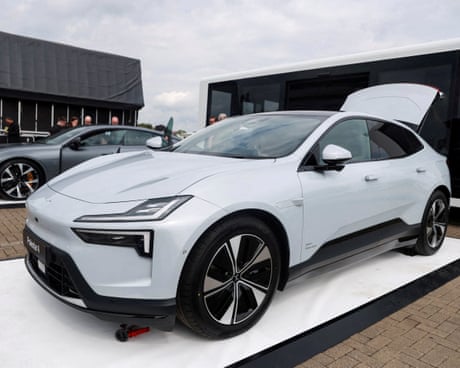
As the founder of Nuvora Auto and a long-standing participant in the automotive supply chain sector, I have witnessed the transformative shifts within this industry, particularly regarding electric vehicles (EVs). Recent news about the UK government’s plans to dilute electric vehicle sales targets has sparked a firestorm of criticism from various stakeholders, including charging infrastructure providers and manufacturers like Polestar. The proposed reduction in the zero-emission vehicle (ZEV) mandate, specifically cutting the pure electric car requirement from 80% of all sales, raises critical questions about our commitment to a sustainable automotive future.
In my years of experience navigating the complexities of auto parts logistics and cross-border trade, I understand the intricate balance between policy, industry growth, and consumer demand. Weakening EV targets not only undermines the progress we’ve made towards a greener economy but also threatens the jobs and innovation that are essential for our industry to thrive. The automotive sector is at a pivotal crossroads, and decisions made today will set the tone for our competitive edge in the global market tomorrow.
At Nuvora Auto, we have dedicated ourselves to bridging the physical and digital realms of automotive supply chains. The current backlash against the government’s short-term approach highlights the importance of strategic long-term planning. As we push for higher efficiency in auto parts logistics and explore innovative UI/UX design strategies, we must also advocate for policies that support sustainable and scalable growth within the electric vehicle sector. A commitment to ambitious EV targets is not merely an environmental stance; it is a critical business strategy that can create jobs, stimulate economic growth, and position the UK as a leader in the global automotive landscape.
As we move forward, it is crucial for industry leaders and policymakers to engage in a dialogue that prioritizes a sustainable future over short-term gains. The potential risks associated with relaxing EV targets—job losses, stunted innovation, and a diminished competitive edge—far outweigh any temporary relief that might come from easing regulations. This is not just about cars; it’s about the vitality of an entire industry and the livelihoods that depend on it.
In closing, let us remember that our actions today will shape the automotive landscape of tomorrow. As a community, we must insist on policies that promote growth and sustainability, ensuring that the UK remains at the forefront of the electric vehicle revolution.